
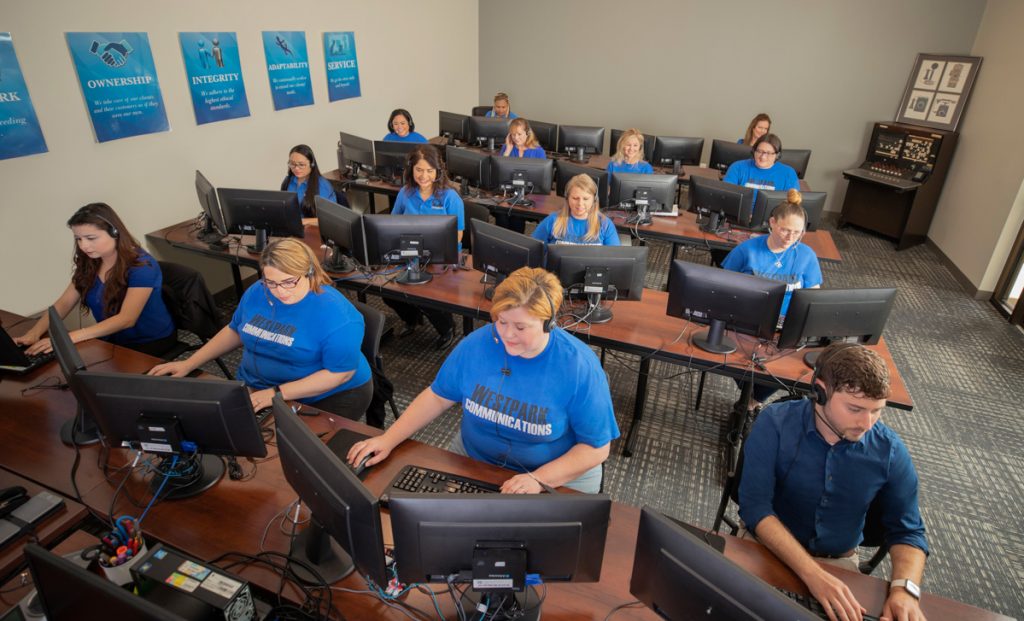
Companies like Salesforce are automating up to 85% of their customer service workflows, using AI tools to streamline routine requests and improve operational speed. While automation has its advantages, it often works best when paired with human oversight and context. Technology continues to play a significant role in reshaping support models, but it’s worth asking whether this shift has improved customers’ overall experience.
At Westpark Communications, we continue to invest in live answer agent support. We recognize where technology can be helpful, but we also understand that service quality still depends on people, including how they respond, listen, and represent the companies they support.
Our recruiting efforts reflect that priority. That foundation has enabled us to remain a reliable partner, even as customer expectations continue to evolve. Every improvement we make supports a simple goal: delivering consistent, human-centered service that meets the expectations of the businesses we represent.
The Problem Isn’t Always the Tool. It’s How Service Is Delivered.
There’s a viral story circulating that highlights a growing concern. A man visited a business and raised a straightforward issue. The response he received was a rigid recitation of policy, offered with no flexibility, no effort to listen, and no indication that his concern was being truly considered. The representative was human, but the delivery felt mechanical. After the interaction, he reflected on something he had heard many times before: that AI could never replace real human empathy. In that moment, he said, not only could AI have delivered the message just as clearly, it might have done so with less dismissiveness.
This scenario is part of a broader challenge. When processes override personalization, even live service can feel automated. AI is not replacing people, but rather filling a gap created when service teams are undertrained, disengaged, or too rigid in execution. That’s where the quality of a service partner truly matters.
A Broader Decline in Customer Satisfaction
Customer satisfaction is slipping across multiple industries, resulting in a disconnect between service expectations and delivery. According to the recent American Customer Satisfaction Index (ACSI), the first quarter of 2025 saw a 0.4% drop overall, with year-over-year declines reaching 1.3%. Sectors like postal services, cell phone providers, and apparel retailers reported some of the sharpest decreases.
These numbers show a broad indication that customers aren’t just seeking faster answers but they want better, more human service.
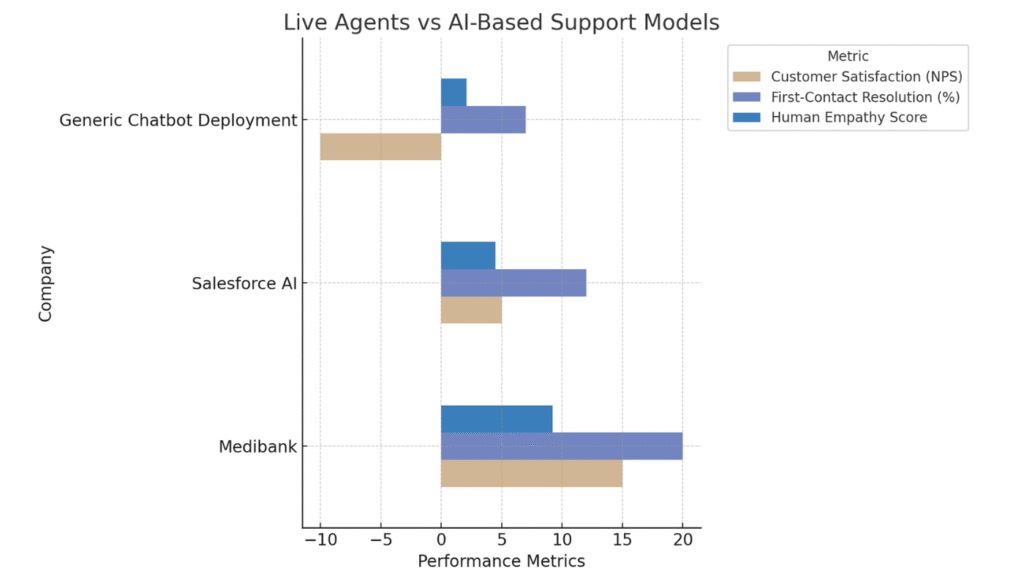
Figure 1. Most customers prefer live agent support over AI in terms of key service expectations. Sources: Kinsta, Zendesk, Callin.io, CMSWire, Customer Experience Dive
- 0.4% drop in the ACSI during Q1 2025
- 1.3% drop year-over-year
- Notable declines in postal, cell phone, and apparel sectors
Why Customers Still Prefer Human Support
Most consumers still want the option to speak with someone who can interpret tone, respond with judgment, and solve problems without reading from a screen. It is critical to have the right person there when it matters. This preference is backed by data:
- 93.4% of consumers say they prefer speaking with a human over AI for support
- 88.8% believe businesses should always offer the option of a live agent
- 78.3% report that their issues are resolved more effectively by human reps
These findings align across multiple studies from Kinsta, Zendesk, Callin.io, CMSWire, and Customer Experience Dive.
Live Agent Preference Stats
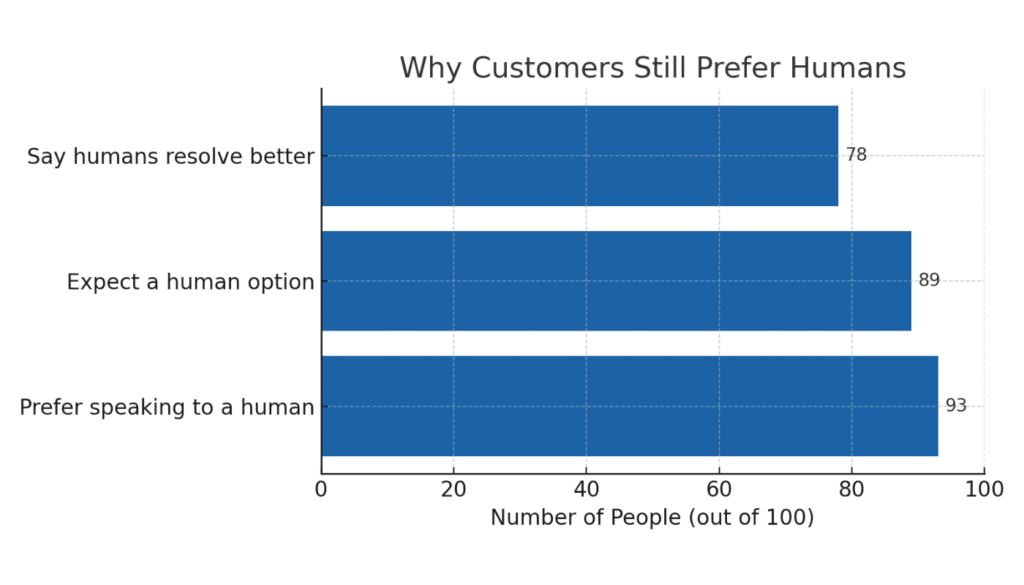
Figure 2. Customer satisfaction has declined steadily across key service industries through Q1 2025. Source: American Customer Satisfaction Index (ACSI), Q1 2025 Report
Case Study: Medibank’s Local Agent Model
Medibank, Australia’s largest health insurer, conducted a pilot where incoming calls were routed to support agents located in the same geographic region as the customer. The model was designed to increase contextual awareness and customer comfort.
As a result:
- Net Promoter Score increased by 15 points
- First-contact resolution improved by 20%
- Customers reported a higher level of trust and satisfaction
This outcome was achieved through live agents, supported by thoughtful routing and training, rather than automation. It reinforces what we see across our own programs; when people feel understood, outcomes improve.
Medibank Results Snapshot
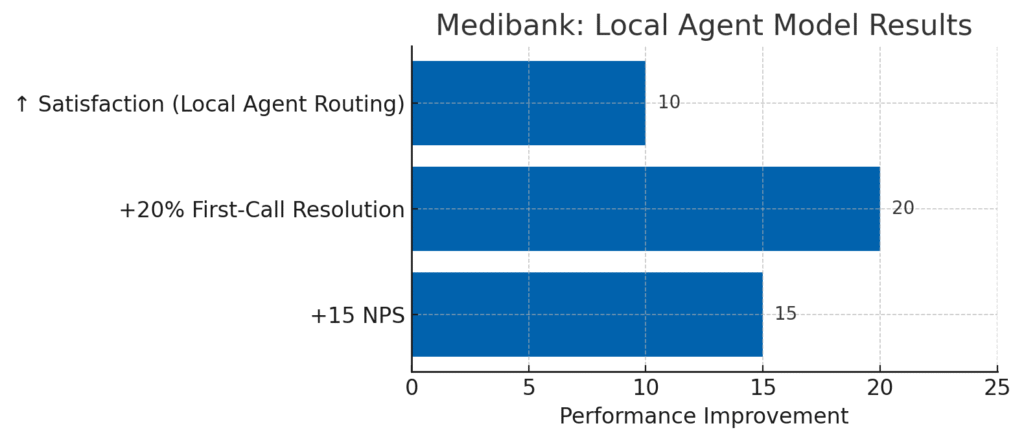
Figure 3. Medibank’s regionally routed support model improved key performance outcomes, including NPS and resolution rates. Source: The Australian, “Medibank Geofence Trial Shows Positive Service Gains”
Where We Place Our Focus
At Westpark Communications, we evaluate technology carefully, but we continue to prioritize people. Service is a reflection of your brand, and the individuals delivering that service should be able to adapt, empathize, and represent your values. That’s why we look beyond checkboxes and metrics, and focus on how our agents actually support real conversations.
Our approach starts with hiring. We look for cultural alignment and communication skills first. Training and scripting follow, but they are not a substitute for critical thinking or good judgment. This has shaped the way we build programs for our clients and the way we manage performance internally.
Why It Still Comes Down to People
AI can support certain tasks and increase efficiency. It can answer simple questions and help route inquiries more effectively. But for customer service interactions that require understanding, clarity, or empathy, live agents continue to outperform automated solutions.
The person answering the phone still matters. Their tone, their timing, and their ability to adjust are not things a machine can replicate easily. That moment, whether it’s resolving an issue or building rapport, is where we believe businesses set themselves apart.
Want more insight into how service expectations are shifting in 2025?
Contact us to learn how we support small and midsize businesses with live, flexible, and responsive service, built to represent your brand with professionalism.